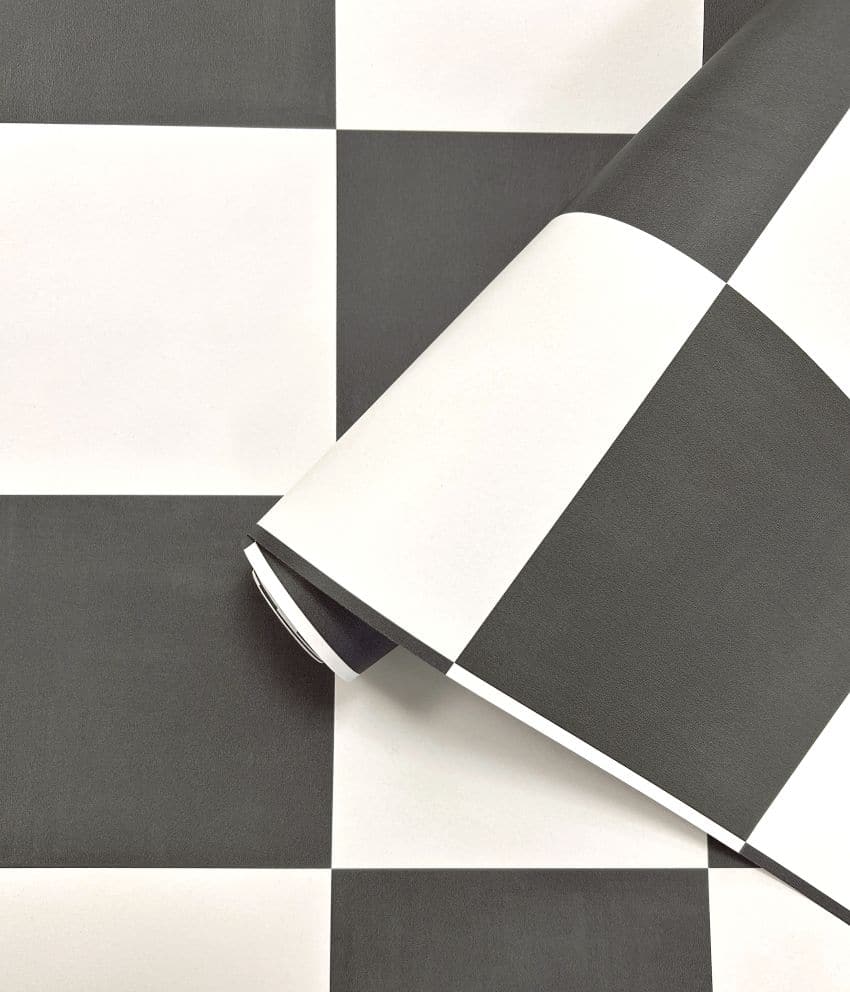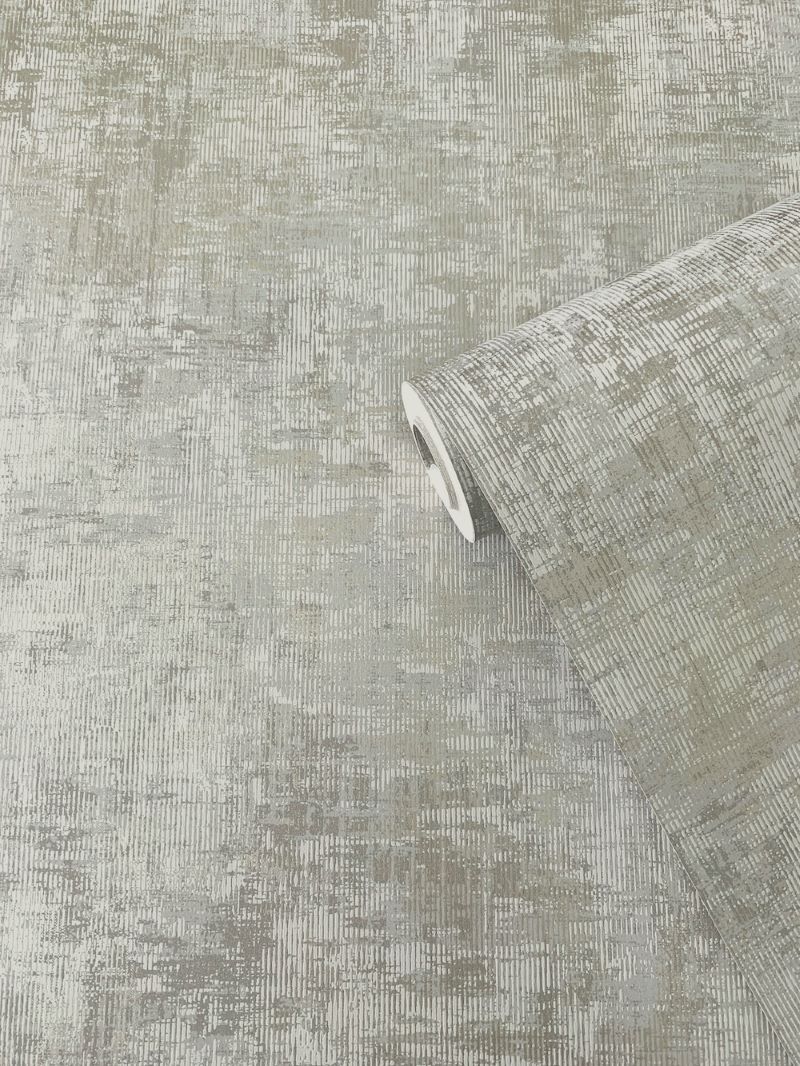

Wallpaper has made a huge comeback in recent years. More and more South African homeowners are using it to create feature walls, add texture, or completely transform a room without taking on a major renovation.
One of the biggest trends has been peel and stick wallpaper South Africa. Unlike traditional wallpaper, it comes with a self-adhesive backing, so there’s no glue, no paste and, in theory, no mess. Simply peel off the backing and stick it to the wall.
Sounds easy enough… but is it really?
The truth is that peel-and-stick wallpaper has plenty of advantages, but it also comes with a few challenges that aren’t always mentioned. Before deciding if it’s the right option for your home, it’s worth looking at both sides.
The Advantages of Peel and Stick Wallpaper South Africa
1. No Paste, No Mess
The biggest advantage is also the most obvious one.
Because the adhesive is already applied to the back of the wallpaper, there’s no need to mix paste, use brushes or worry about cleaning glue off your floors afterwards.
Installation is generally cleaner and quicker than traditional wallpaper, making it a popular choice for people tackling smaller DIY projects.
2. It’s Often More Affordable
Peel-and-stick wallpaper is usually mass-produced and widely available through large retailers, which helps keep prices competitive.
Many homeowners also choose to install it themselves. If you’re confident with DIY projects, that can save a significant amount on installation costs.
Just remember that “easy to install” doesn’t always mean “easy to install well.”
3. A Great Option for Renters
One of the biggest reasons people choose peel-and-stick wallpaper is that it’s designed to be removable.
If you’re renting or simply like changing your décor every few years, it gives you the freedom to update a room without making a permanent change.
That said, not all products are created equal. Removal depends on the quality of the wallpaper, how well the wall was prepared, and the condition of the paint underneath. It’s always worth following the manufacturer’s recommendations before installation.
4. Easy to Update Your Style
Interior trends change, and so do personal tastes.
With peel-and-stick wallpaper, you’re not committing to the same look for the next decade. If you decide you’d prefer a different colour, pattern or style in a few years’ time, replacing it is usually far easier than removing traditional wallpaper.
5. Perfect for Smaller DIY Projects
Although it’s most commonly used on walls, peel-and-stick wallpaper is surprisingly versatile.
Many people use it to refresh:
- bookshelves
- cupboards
- drawer fronts
- shelving
- wardrobes
- desks
- feature panels
It’s a simple way to give older furniture or forgotten spaces a completely new look without replacing them.
The Disadvantages of Peel and Stick Wallpaper South Africa
Peel-and-stick wallpaper is often marketed as being incredibly DIY friendly. While that’s true to an extent, it can actually be more difficult to install than many people expect.
The biggest challenge isn’t sticking it to the wall — it’s getting a professional-looking finish.
1. You Need to Get It Right the First Time
Unlike traditional wallpaper, peel-and-stick wallpaper starts bonding almost immediately.
That means you have very little room for adjustment.
If the first panel goes on slightly crooked, trying to lift and reposition it can stretch the material or affect the pattern alignment.
With traditional wallpaper, the paste gives you a bit more flexibility while you’re lining everything up.
2. Air Bubbles Can Be Frustrating
Almost everyone encounters a few air bubbles during installation.
Smaller sections are usually manageable, but larger feature walls can be much trickier.
Even experienced installers sometimes need to work patiently to remove bubbles and wrinkles without damaging the wallpaper.
3. Your Wall Needs to Be Properly Prepared
This is probably the biggest reason peel-and-stick wallpaper fails.
For the adhesive to bond properly, the wall needs to be:
- smooth
- clean
- dry
- free of dust
- fully cured if it has recently been painted
Textured walls, loose paint or dusty surfaces can all cause the wallpaper to lift over time, especially around the edges.
4. Large Walls Are More Difficult Than They Look
Installing one narrow strip is fairly straightforward.
Installing six or seven perfectly aligned strips across a large feature wall is another story.
Patterns need to line up precisely, every strip must remain perfectly vertical, and even a slight mistake at the top of the wall becomes much more noticeable by the time you reach the floor.
Patience is definitely your friend here.
Should You Hire a Professional Installer?
This surprises a lot of people.
Many professional wallpaper installers actually prefer working with traditional wallpaper rather than peel and stick wallpaper products.
Because peel-and-stick wallpaper grabs almost immediately, there’s very little opportunity to make adjustments during installation. That makes achieving a flawless finish much more demanding, especially on larger walls or intricate patterns.
For that reason, many installers simply don’t offer peel-and-stick wallpaper as part of their service.
In reality, if you choose peel-and-stick wallpaper, there’s a good chance you’ll be installing it yourself. That’s perfectly achievable for smaller projects, but it’s worth knowing before you buy.
The Verdict
Peel and stick wallpaper South Africa is a fantastic choice if you’re looking for a quick, affordable way to refresh a room. It’s ideal for rental properties, DIY enthusiasts, smaller projects and anyone who likes the flexibility of being able to update their décor more often.
Just don’t assume it’s foolproof.
Although it removes the mess of traditional wallpaper, replacing glue with adhesive doesn’t necessarily make installation easier. It still requires careful planning, accurate measurements and plenty of patience if you want a professional-looking finish.
Traditional wallpaper, on the other hand, remains the premium option. It offers a much wider choice of colours, textures and finishes, and when installed properly, it creates a luxurious look that can last for many years.
If you’re investing in a feature wall that you want to enjoy for the long term, traditional wallpaper is still hard to beat.
At the end of the day, the right choice comes down to three things: your budget, your confidence with DIY, and the finish you’re hoping to achieve.
If flexibility, affordability and easy updates are your priorities, peel and stick wallpaper South Africa is well worth considering.
If you’re looking for the best possible finish, greater design choice and long-term durability, traditional wallpaper is still the gold standard.